


Why is hand washing it so important?
Wash Hands Properly
Hand washing has always been the the easiest way to contribute to your state of wellness. It's a quick, simple task.
Pathogens are opportunists and spread easily. Hand washing assists in preventing the spread of germs. It is a very important step in keeping yourself healthy.
It all begins with you, washing your own hands. From there, you are curbing the spread of germs to anyone you come in contact with. You are playing an active roll in the health of your community.
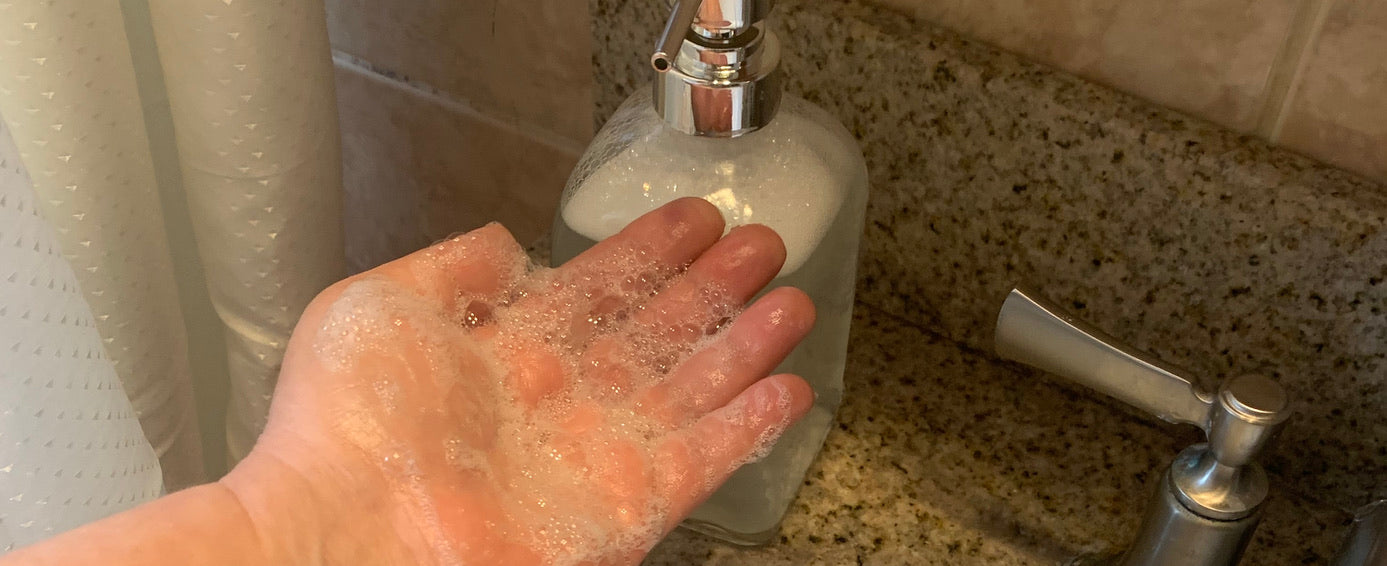
What's the best way to wash hands?
Scrub Germs Away:
- Wet your hands with clean water (warm or cold). Running water is best. Make sure the water isn't too hot.
- Use Soap. Lather up with enough soap to generate a good amount of lather, for 20-30 seconds. Good soap easily creates an abundance of lather. It already has naturally occurring anti bacterial, anti fungal, and anti septic properties.
- If your hands are very dirty and the lather goes away quickly, the lather has filled up with pathogens. Rinse and repeat steps 1 and 2, until the lather remains after 30 seconds.
- Make sure you wash between your fingers, on the backs of your hands, under your fingernails where germs like to hide. Don't forget your wrists!
- Rinse and dry well with a clean towel.
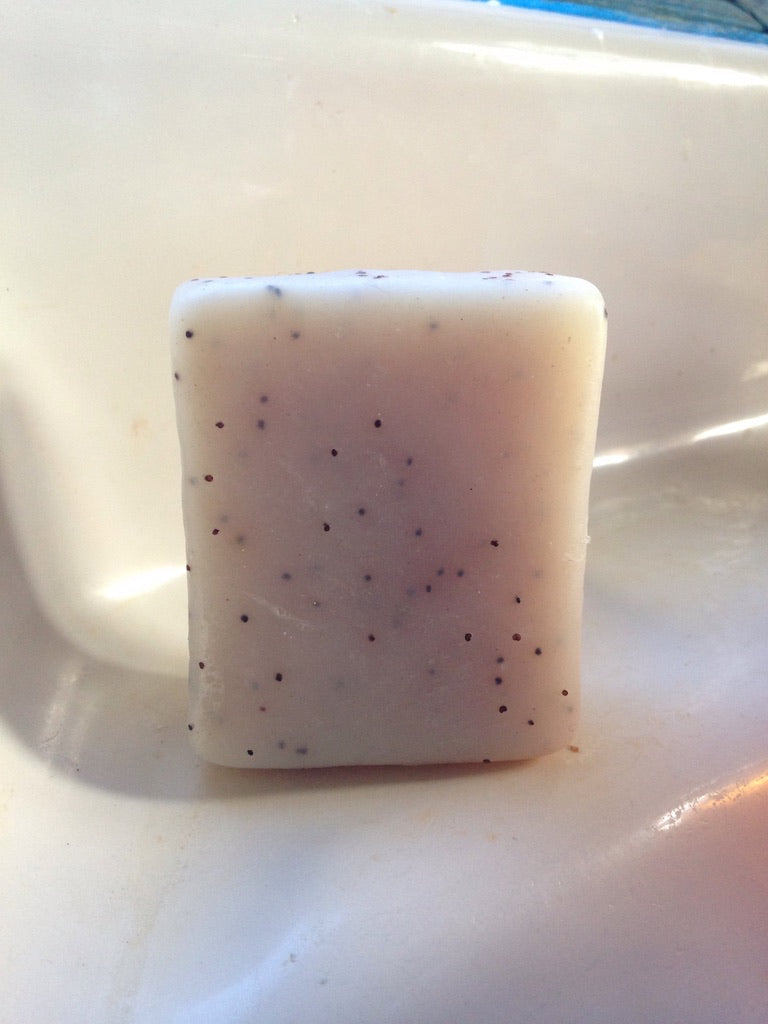
Make a habit of regular hand washing
When to Wash Hands
- before eating and drinking
- after using the bathroom
- after changing a diaper
- after cleaning the house, especially the bathroom
- after touching pets and other animals
- after cleaning pet beds and your pet's eating and drinking dishes
- before and after visiting and taking care of sick people
- after blowing your nose, coughing, or sneezing
- after gardening
- after handling mail, packages, physical money, cell phones
- after being in the grocery store, especially a large big box store, where many hands touch everything before it gets to you

What if you don't have running water?
Soap vs Sanitizer
Instant Liquid Soap diluted to the Go Soap ratio is best since it is actual soap and water.
Alcohol is a known skin irritant. Alcohol based sanitizers and scrubs do not clean your hands effectively, leaving germs and giving you the false notion that your hands are clean, while opening up new tiny wounds through the dry irritation.
The gel in hand cleaners falsely advertised as “soap”, shower washes, dish detergent and other “cleaners” is a liquid vinyl with trade names like carbomer or carbopol. Liquid vinyl is a plastic, that dissolves in water into teeny tiny pieces, which contributes to the massive micro plastic tragedy plaguing our waterways and oceans. Click here to read about laundry sheets and micro plastics
In medical environments, it is advised that gloves be worn when handling rubbing alcohol. Alcohol is a main ingredient in many sanitizers.
Instant Liquid Soap is available to you now, so you can carry a small bottle with you. You can buy travel size empty bottle or reuse one destined for the recycling to keep in your book bag, car, locker, purse, pockets, or sports bag.
Even the CDC advises soap over sanitizers.
Note: We no longer use the package in this photo. You can use any small recycled bottle for Go Soap

How Clean Hands Help keep you Healthly
Germs Spread Easily when:
- touching other peoples dirty hands
- changing dirty diapers
- through contaminated water and food
- through droplets in the air released during a cough or sneeze
- Eating food prepared by someone who’s hands are not properly washed
- Eating food with your hands when your hands are not properly washed
- touching surfaces in public places
- through contact with a sick person's bodily fluids
- when you come into contact with germs, you can become infected just by touching your eyes, nose, or mouth.
Seize the power of hand washing! It's one of the best and simpliest things you can do to help yourself and others.
Click this link to sign up and get a 25% off coupon.